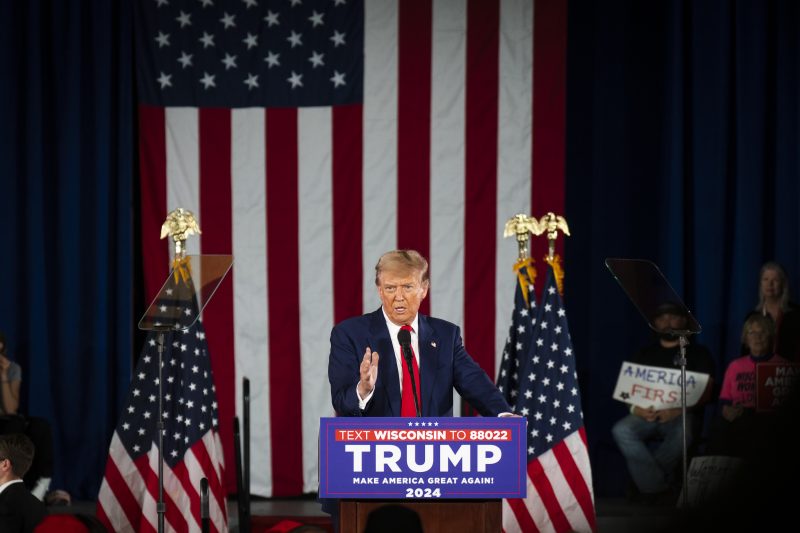
Amid political upheaval and escalating tensions within the Republican National Committee (RNC), the recent resignation of a top RNC lawyer has shed light on the deepening divide between traditional party members and fervent Trump supporters.
The departure of Justin Riemer, the chief lawyer for the RNC, comes at a critical juncture for the party as it grapples with internal strife and external pressures. While the official reason cited for Riemer’s resignation was to pursue other opportunities, sources close to the matter suggest that the increasing rift with former President Donald Trump played a significant role in his decision to step down.
According to reports, the relationship between Riemer and Trump had become strained in recent months, largely due to disagreements over the 2020 election and the party’s approach to election integrity issues. Trump, who continues to assert without evidence that the election was marred by widespread fraud, has been pushing the RNC and its members to fully embrace his baseless claims and prioritize efforts to overturn the results.
Riemer, on the other hand, is said to have advocated for a more cautious and legally sound approach, urging the party to focus on policy matters and building a robust foundation for future elections. The clash in viewpoints escalated to a point where Riemer felt that his position within the RNC had become untenable, leading to his departure.
The resignation of a key figure like Riemer underscores the challenges that the RNC faces in navigating the competing interests within the party. On one side, there are traditional Republicans who advocate for a more moderate and principled stance, emphasizing the rule of law and democratic norms. On the other side are the vocal and influential Trump loyalists who are pushing for a more combative and confrontational approach.
The dynamics at play within the RNC reflect broader trends within the Republican Party as it grapples with its identity in the post-Trump era. The tensions between those seeking to chart a path forward based on conservative values and those intent on perpetuating the Trump brand highlight the complexities and divisions that the party must address to remain relevant and effective in the political landscape.
As the RNC moves forward in the aftermath of Riemer’s resignation, it faces a crucial test of its ability to reconcile these conflicting viewpoints and forge a cohesive path that can unite the party behind a shared vision. How the party navigates these challenges will not only shape its internal dynamics but also have far-reaching implications for its electoral prospects and its role in shaping the future of American politics.